Tuning In, Plugging Out: 5 Wellness Trends Set to Shape 2026
By Zuzanna Sysiak, January 15, 2026
Parasite cleanses. Placenta smoothies. “Cortisol face.” In recent years, wellness trends have grown increasingly extreme, briefly dominating our feeds before giving way to the next dramatic headline.
The emerging wellness trends of 2026 suggest a shift away from these clickbait-driven “fixes” toward something more nourishing and grounded. The Digital Detox is becoming the new Dry Jan, there is an increasing focus on internal markers of health over outward appearance, and a clear pivot towards shared, communal rituals over individualistic optimisation. Sea swimming with friends, running with neighbours, sauna sessions with strangers. Rather than chasing the next hack, wellness is chasing something in short supply – connection. To our bodies, to nature, and to each other. We’re moving toward experiences that calm the nervous system, support long-term health, and keep us tuned into the world within and around us.
Across spas and wellness spaces, this recalibration is already visible. These are the trends shaping the year ahead.
1. Forest Spas

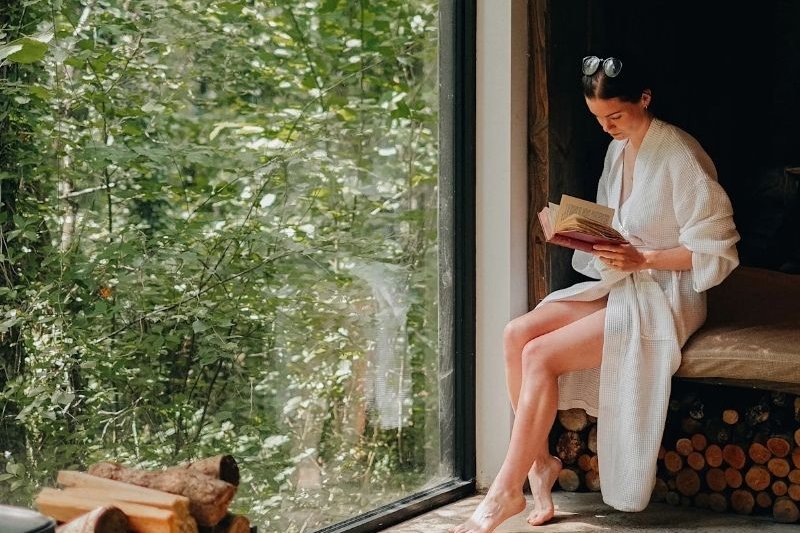
Last year, Gen-Z started calling on their stressed-out millennial elders to “touch grass” when they got a little frazzled. And it appears the kids might be onto something! Nature has always played a role in wellbeing, but in 2026, it is no longer the backdrop; it’s the setting. Forest spas, lakeside retreats and outdoor thermal spaces are becoming central to the spa experience rather than a scenic extra.
This reflects a wider shift toward biophilic design, where architecture and interiors intentionally connect guests to the natural world through light, materials, sound and landscape. The appeal is intuitive. Time spent in nature has long been associated with lower stress levels, improved mood and better overall mental health.
The growing popularity of Spas like Finn Lough, Galgorm and Aqua Sana Forest Spa are big proponents of this approach, placing heat experiences, relaxation spaces and treatment rooms directly within woodland, water or open air.
2. No-contact Treatments
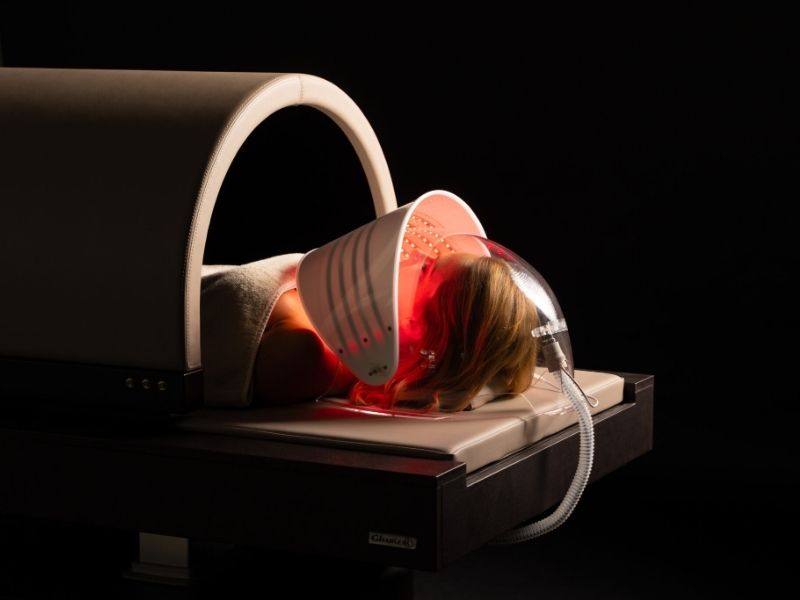
One of the clearest threads running through wellness in 2026 is a growing awareness of the nervous system – not as a medical concept, but as something people feel the effects of every day. Long hours online, constant notifications and the low-level hum of digital life have left many bodies stuck in a state of subtle alertness. Wellness, in response, is shifting its focus from stimulation and self-improvement to regulation and repair. As spa guests become more attuned to their nervous systems, demand is growing for treatments that deliver benefits without physical touch. No-contact therapies like dry and wet flotation, bodywave experiences, iDome sessions and red-light therapy are gaining traction across Europe and Ireland.
These treatments appeal to guests who want deep rest without social interaction, conversation or sensory overload. They are particularly popular with those experiencing stress, burnout or decision fatigue, offering recovery without performance or pressure.
Irish spas are already responding. Dunboyne Castle has introduced advanced touchless experiences through its iDome and bodywave therapies, while Killashee offers dry flotation as part of its wellness menu.
3. Personalised Treatments
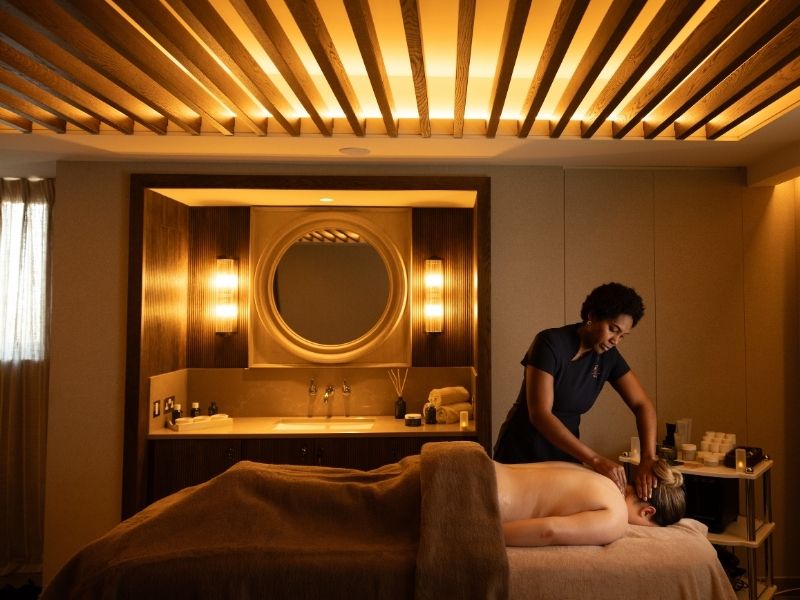
Guests are no longer seeking one-size-fits-all spa days. In 2026, spa visits are less likely to follow a fixed template and more likely to unfold as bespoke journeys, shaped around the individual rather than the menu.
This shift reflects a more informed spa guest. People arrive with a clearer understanding of their own bodies — where they hold tension, how stress shows up for them, how their skin responds to sleep, hormones or seasonal change. In response, spas are investing more time in consultation and conversation, allowing treatments to adapt in real time rather than adhere to rigid protocols.
Personalisation, in this context, is not about complexity. It is about responsiveness. For many guests, this sense of being listened to is as restorative as the treatment itself.
Rather than promising transformation, personalised wellness in 2026 prioritises relevance. Treatments are designed to meet people where they are — supporting recovery, easing tension and addressing specific concerns without overstatement or excess.
Sample treatments
- Customised massages that respond to individual tension patterns, pressure preferences and areas of strain
- Targeted skincare treatments using carefully selected products tailored to the skin’s current needs
4. Infrared Workouts
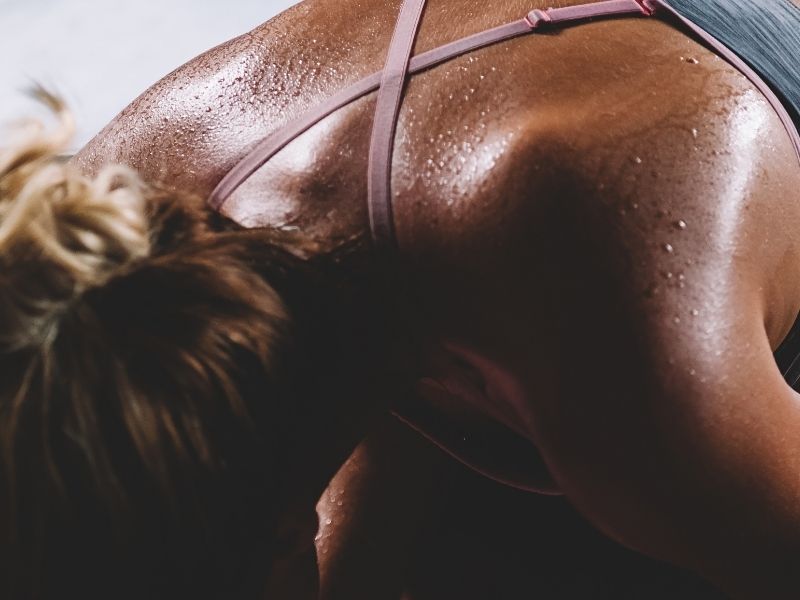
Infrared heat has long been associated with relaxation and recovery, but in 2026 it is increasingly being paired with movement. Rather than replacing traditional workouts, infrared is being used to support gentler, more intentional forms of exercise — stretching, low-impact strength, mobility and controlled cardiovascular work.
The appeal lies in how the body responds to heat. Infrared warmth encourages circulation, loosens connective tissue and allows muscles to move more freely, often making movement feel less effortful and more accessible. For many people, this means they can engage in exercise without the strain or intensity that has defined much of fitness culture in recent years.
Importantly, this trend is less about burning more calories and more about supporting longevity. Infrared workouts are often framed around maintenance rather than transformation — preserving mobility, supporting joint health and aiding recovery as the body ages. Sessions tend to be shorter, calmer and more focused on how the body feels rather than how hard it works.
Within spa and wellness settings, infrared movement sits naturally alongside nervous-system regulation. Heat, when combined with slow, deliberate movement, can help the body settle rather than spike, offering an alternative to high-adrenaline training environments. It also appeals to guests who may be returning to movement after periods of stress, burnout or injury.
As wellness continues to move away from punishment and performance, infrared workouts reflect a broader cultural shift. Exercise is no longer positioned as something to endure or optimise, but as something to sustain — a way of keeping the body capable, comfortable and resilient over time.
5. Social Wellness
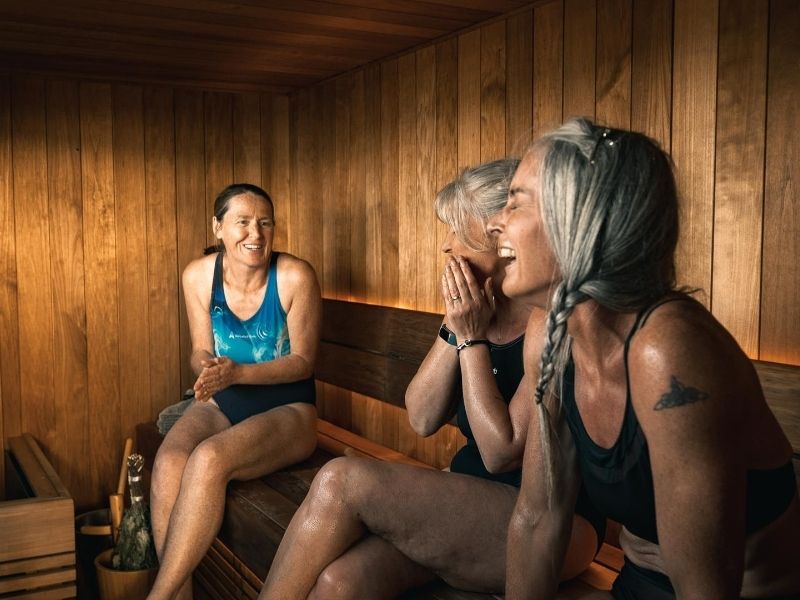
Perhaps the most meaningful shift shaping 2026 is the move from individual self-care to shared wellness experiences. Group sauna sessions, bathhouse culture, guided thermal journeys and community-led wellness spaces are increasingly popular, particularly among those seeking connection without alcohol or nightlife.
This trend reflects a desire for “third places” – environments outside home and work where people can gather, unwind and feel part of something without expectation. Spas are uniquely positioned to provide this, offering calm, structured spaces that encourage quiet conversation and shared ritual.
Rather than retreating inward, wellness is becoming communal again. Guests are choosing experiences they can share with friends, partners or small groups, turning spa visits into social anchors rather than solitary escapes.
Taken together, these trends point to a broader recalibration rather than a reinvention of wellness. In 2026, the industry appears less interested in spectacle and more concerned with substance — with how people actually live, age and cope in an increasingly mediated world.
Spas, in particular, are reflecting this shift. They are becoming places not just to escape, but to regulate; not just to indulge, but to reconnect. Nature, heat, movement and shared ritual are no longer framed as luxuries or novelties, but as practical responses to modern pressures — digital saturation, chronic stress and social fragmentation.
What defines wellness in the year ahead is not novelty, but intention. Experiences are quieter, more personalised and more communal, designed to support long-term health rather than promise quick transformation. The emphasis is on feeling steady rather than exceptional, connected rather than optimised.